Crawl space mold removal in Montrose, California that stops the smell and the damage
Licensed, IICRC-trained crews serving Montrose and the Uncompahgre Valley
When crawl space mold shows up under your floor, crawl space mold removal in Montrose, California is the only fix that lasts. We pull out the contaminated insulation, treat the joists and subfloor, and dry the space so spores do not come back next spring. Our team handles crawl space mold remediation Montrose wide, from Downtown bungalows to Cobble Creek homes, with same-day inspections and honest 2026 pricing.
What crawl space mold removal in Montrose, California actually involves
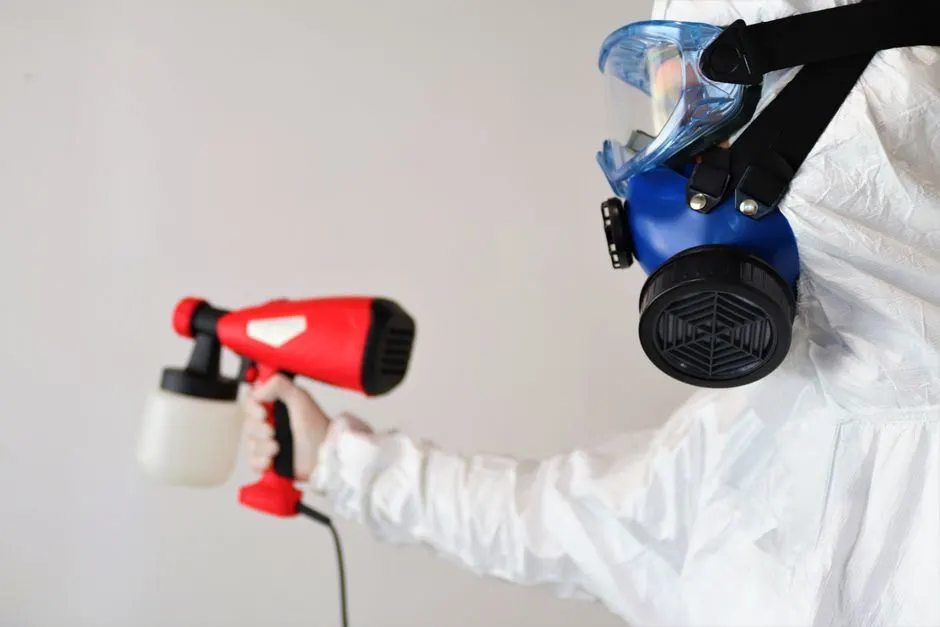
Crawl space mold removal in Montrose, California is a controlled demolition and drying process, not a spray-and-walk-away job. We start with a moisture meter and a thermal imaging camera to map where the water is coming from, then run a bore scope camera along the joists to find hidden growth. Contaminated insulation and any soaked drywall come out in sealed bags. We HEPA vacuum the framing, apply an antimicrobial solution to the wood subfloor and joists, and set Dri-Eaz dehumidifiers and air movers until the hygrometer reads below 20 percent wood moisture content. Only then does the space stay dry.
Most Montrose crawl space mold calls trace back to a slab leak, a roof leak that runs down the inside of a wall, or a burst pipe that soaked the insulation months before anyone noticed. Winter rain and spring snowmelt push the water table up under homes on Sunrise Mesa and in the Uncompahgre Valley, and crawl space moisture never dries on its own in a closed foundation. If you have been searching for crawl space mold removal near me Montrose, the sooner we get under there, the less framing you lose. We also handle emergency crawl space mold removal Montrose CA calls when a sewage backup or toilet overflow has just soaked the vapor barrier.
Why Montrose homeowners clear crawl space mold fast
Mold under a house does not stay under the house. It moves up through the subfloor, into the insulation, and into the air your family breathes. Here is what a proper crawl space mold treatment Montrose job actually buys you.
Healthier air upstairs
Mold spores travel upward through gaps in the subfloor and around plumbing penetrations. Removing the growth and sealing the space cuts the spore load in your living room, which matters most for kids, older adults, and anyone with asthma. We verify the drop with air sampling before we close up.
Stronger floor framing
Wood rot follows mold. A joist that reads above 28 percent moisture content starts losing strength within weeks, and a soft subfloor means squeaks, sagging, and eventually replacement. Drying the framing back under 20 percent stops the decay and protects the structure you already paid for.
Lower energy bills
A wet crawl space pulls heat out of your floors all winter. Once we dry and re-insulate, rooms above the space hold temperature better, and your furnace stops working overtime through January. Most customers notice the difference on the first cold snap after the job.
No repeat mold next spring
Treating the mold without fixing the moisture source guarantees a callback. We find and correct the leak, then install a clean vapor barrier and recommend a hygrometer check each fall. That is what separates a real crawl space mold remediation Montrose job from a quick spray.
How our crawl space mold removal process runs
You get a written scope, a start time, and a crew that has worked under hundreds of Montrose homes. Here is what the job looks like from the first phone call to the final moisture reading.
Inspection and moisture mapping
We arrive with a moisture meter, a hygrometer, and a thermal imaging camera and crawl the entire space. You get photos of every affected area, the moisture readings, and the source of the water. This usually takes 45 to 90 minutes, and we tell you on site whether the job is a repair or a full removal.
Containment and removal
We lay plastic sheeting at the access hatch and set up negative air pressure so spores do not drift into the house. Contaminated insulation, wet drywall, and any ruined vapor barrier go into sealed bags and out to the truck. A two-person crew clears a typical 1,200 square foot crawl space in one day.
HEPA cleaning and treatment
Every joist, sill plate, and subfloor panel gets HEPA vacuumed, then wiped with an antimicrobial solution. We treat the wood with a disinfectant rated for structural lumber and fog the space with an ozone generator only when odors persist after drying. This step takes four to six hours on most jobs.
Structural drying
Dri-Eaz and Phoenix Restoration Equipment dehumidifiers run alongside air movers until the wood subfloor reads below 20 percent on the moisture meter. That usually means two to four days, and we check readings twice a day. You get the daily numbers so you can see the space drying, not just take our word for it.
Verification and close-out
Before we pull the equipment, we run a final moisture map and a visual inspection of every treated bay. We reinstall a new vapor barrier, seal the hatch, and hand you the drying log plus photos. If the source was a plumbing leak, we confirm the repair held before we call the job done.
Five years of crawl space work in the Uncompahgre Valley
Water Damage Restoration Montrose has been drying and treating crawl spaces since 2021, and in that time our crews have worked under homes from Riverbottom to Spring Creek. Every technician holds IICRC WRT and IICRC ASD credentials, and our mold work follows the IICRC AMRT standard for remediation. We carry a California Contractors State License Board license and follow OSHA 10 safety practices on every confined-space entry. That training matters in a crawl space, where a wrong step on a rotten joist or a missed gas line is a real hazard.
- IICRC WRT and ASD certified technicians on every crawl space crew
- IICRC AMRT remediation standard followed on all mold jobs
- California Contractors State License Board licensed contractor
- OSHA 10 confined-space and jobsite safety training
- Xactimate estimating so insurance scopes match the work performed
Why our crawl space mold removal in Montrose, California gets called back
Plenty of companies will fog a crawl space and cash the check. We fix the moisture source, document the dry-down, and stand behind the result. Here is what that looks like in practice.
Same-day inspections
Call before noon and we can usually be under your house the same afternoon. Mold doubles its coverage in roughly 24 to 48 hours when the wood stays wet, so a fast look saves framing. We answer the phone 24/7 for emergency crawl space mold removal Montrose CA calls.
Documented dry-down
You get moisture readings at the start, every day of drying, and at close-out. Insurance adjusters accept our Xactimate reports because the numbers are logged, not estimated. If a reading is not where it should be, we keep the equipment running on our dime, not yours.
Source repair, not just cleanup
We trace the water before we treat the mold. That means finding the slab leak, the failed supply line, or the roof leak that started it. Crawl space mold remediation Montrose homeowners can trust has to include the fix, or the growth returns with the next rain.
Affordable, upfront pricing
You get a written price before we start, and it does not change unless we find something new under the house. For affordable crawl space mold removal in Montrose, ask about our flat-rate small-job pricing for spaces under 800 square feet. No surprise line items at the end.
What our crawl space mold removal service includes
Every crawl space mold removal job we quote includes the full sequence from inspection to final moisture verification. We do not quote treatment without drying, and we do not quote drying without finding the source. Here is what comes standard on a Montrose job.
What's Included
Full moisture inspection
We crawl the entire space with a moisture meter, hygrometer, and thermal imaging camera, photograph every affected bay, and identify the water source. You get the readings and the photos before we quote a price.
Containment and debris removal
Plastic sheeting at the access hatch, negative air pressure, and sealed bags for every piece of contaminated insulation, drywall, and vapor barrier. We haul it out and dispose of it properly, so nothing stays behind to re-seed the space.
HEPA vacuum and antimicrobial treatment
Every joist, sill plate, and subfloor panel gets HEPA vacuumed, then treated with an antimicrobial solution and a disinfectant rated for structural lumber. This is the step that kills the colony, not just the visible surface growth.
Structural drying to verified standards
Dri-Eaz dehumidifiers and air movers run until the wood subfloor reads below 20 percent moisture content. We log readings twice a day and give you the drying record at close-out, which is what your insurance adjuster will want to see.
New vapor barrier and close-out
We install a fresh vapor barrier, seal the hatch, and hand you the drying log, photos, and treatment record. If the source was a plumbing leak, we confirm the repair held before we call the job complete.
Crawl space mold problems we solve for Montrose homeowners
Most crawl space mold calls start with a smell, a cold floor, or a moisture reading a home inspector flagged. Here are the problems we see most often in Montrose and how we handle them.
Musty odor drifting up through the floor
The smell is the visible tip of a colony that has already spread across the joists. Left alone, spores keep loading the indoor air and the odor gets stronger every wet season.
We locate the growth with a bore scope camera, remove the contaminated materials, HEPA vacuum the framing, and treat the wood. Air sampling after treatment confirms the spore count dropped before we close the hatch.
Wet insulation that never dries
Insulation holds water against the wood for months. That trapped moisture is the single most common reason crawl space mold comes back after a cheap treatment.
We pull the wet insulation, dry the framing to below 20 percent moisture content, and re-insulate only after the readings hold. If the source was a roof leak or burst pipe, we fix that first so the new insulation stays dry.
Mold discovered during a home sale inspection
A flagged crawl space can stall a closing or cost you thousands in negotiated repairs. Buyers want documentation, not a verbal promise that it was handled.
We provide a written scope, before-and-after photos, moisture logs, and a treatment record the buyer's inspector can review. Most Montrose real estate crawl space jobs are completed within five days so the closing stays on schedule.
Recurring mold after a previous spray treatment
Fogging the space without fixing the moisture source kills the surface growth and nothing else. The colony returns within one wet season, and you pay twice.
We trace the water first: slab leak, supply line, roof leak, or poor drainage. Once the source is corrected, we remove the growth, dry the framing, and install a vapor barrier so the space stays dry through the next spring snowmelt.
When Montrose homeowners call us for crawl space mold
A home inspector flags mold on the joists during a sale in Downtown Montrose
We inspect within 24 hours, provide a written scope and Xactimate estimate the buyer's agent can review, and complete removal and drying in three to five days. Photos and moisture logs go to both parties.
The closing stays on schedule, and the buyer gets a documented clean crawl space instead of a verbal promise.
A burst pipe under a Cobble Creek home soaks the insulation in January
We extract the standing water, remove the wet insulation, and start structural drying the same day. A mold check follows once the framing is dry, and we treat any growth before it spreads.
The framing dries below 20 percent moisture content, and the homeowner avoids a full mold removal job.
A musty smell returns every spring in a Riverbottom house with no vapor barrier
We remove the surface growth, treat the joists, and install a new vapor barrier to cut the ground moisture that feeds the mold. A hygrometer check each fall keeps it in range.
The smell stops, and the annual spring mold bloom does not come back.
A toilet overflow sends water through the subfloor into a South Montrose crawl space
We treat it as Category 2 water: extract, remove soaked materials, disinfect the framing, and dry. A mold check follows because sewage-soaked wood grows mold fast.
The space is dry, disinfected, and mold-free, and the homeowner has documentation for their insurance claim.
Tools and methods we use under Montrose homes
Tools & Equipment
Moisture meter and hygrometer
Used to read wood moisture content and relative humidity in the crawl space. We log readings at the start, twice daily during drying, and at close-out so the dry-down is documented.
Thermal imaging camera
Finds hidden moisture behind insulation and along joist bays without tearing the space apart. It shows us where the water traveled, which tells us where to focus removal.
Bore scope camera
Lets us inspect inside wall cavities and tight joist bays where mold grows out of sight. It confirms the extent of the colony before we quote the job.
HEPA vacuum
Captures spores from the framing and surfaces instead of pushing them into the air. Every treated bay gets HEPA vacuumed before the antimicrobial solution goes on.
Dri-Eaz and Phoenix Restoration Equipment dehumidifiers
Pull moisture out of the air so the wood can dry. We size the equipment to the cubic footage of the space and run it until the moisture meter reads below 20 percent.
Air movers
Keep air moving across the joists and subfloor so moisture evaporates evenly. Placement matters in a low crawl space, and we adjust it daily based on the readings.
Ozone generator
Used only when odor persists after drying and treatment. It neutralizes the smell at the source, and we ventilate the space before anyone goes back under the house.
Methods
IICRC AMRT remediation standard
Our mold work follows the IICRC AMRT framework for assessment, containment, removal, and verification. That means documented moisture readings, contained debris removal, and post-treatment verification rather than a visual guess.
Negative air pressure containment
We set plastic sheeting at the access hatch and run a HEPA air filter under negative pressure so spores do not drift into the living space. This is standard on every crawl space job, not an upgrade.
Antimicrobial treatment and disinfection
After HEPA vacuuming, we apply an antimicrobial solution and a disinfectant rated for structural lumber. The treatment penetrates the wood surface where the colony anchors, which is why surface sprays alone fail.
Verified structural drying
We dry to a measured standard, not a calendar. The job is done when the wood subfloor reads below 20 percent moisture content on the moisture meter, and we keep equipment running until it does.
How crawl space mold removal runs in Montrose
Montrose sits at 5,800 feet in the Uncompahgre Valley, and that elevation drives the crawl space problems we see. Winter temperatures drop into the teens, spring snowmelt pushes groundwater against foundations, and summer monsoon rain runs off the mesas. Homes on Sunrise Mesa and Fox Hollow sit on expansive soils that hold water against the foundation wall, while older houses near Downtown Montrose and Riverbottom often have bare-earth crawl spaces with no vapor barrier at all. We size the drying equipment for the altitude and the season, because air movers and dehumidifiers behave differently at 5,800 feet than at sea level. If you need same day crawl space mold removal Montrose California homeowners can count on, we keep a crew on call through the spring melt and the summer storm season. Every job follows the same sequence: find the source, remove the growth, dry to a measured standard, and verify before close-out.
Service Areas
Older bungalows and storefront buildings often have shallow crawl spaces with original wood framing and no vapor barrier, which makes moisture mapping and containment tighter work.
Expansive clay soils hold water against the foundation after snowmelt, so we check the perimeter drainage as part of every crawl space inspection.
Homes close to the Uncompahgre River see higher groundwater in spring, and crawl spaces here benefit from a sealed vapor barrier and a fall moisture check.
Newer construction with tighter foundations traps moisture differently, and we often find mold around plumbing penetrations and the access hatch.
Rural properties on well and septic systems sometimes have crawl spaces that flooded months before anyone noticed, so we bring a bore scope camera on every call.
Local Considerations
Spring snowmelt raising groundwater
Water pushes against foundations from March through May, and crawl spaces without a vapor barrier pull that moisture straight into the wood. We schedule extra drying time on spring jobs.
Summer monsoon rain and roof leaks
August storms find every failed flashing and worn shingle. A roof leak that runs down a wall cavity lands in the crawl space, so we trace the water path before treating the mold.
High-altitude dry-down times
Lower air pressure at 5,800 feet changes how fast dehumidifiers pull moisture. We size equipment for the elevation and check readings twice a day instead of relying on a standard schedule.
Sunrise Mesa crawl space after a slab leak
A slab leak had been feeding moisture into a 1,400 square foot crawl space for months. Insulation was soaked, mold covered roughly 40 percent of the joists, and the wood read 31 percent moisture content. The homeowner noticed a musty smell and cold floors.
We removed the insulation, HEPA vacuumed and treated every joist, and ran Dri-Eaz dehumidifiers for four days. Final readings came in at 13 to 15 percent moisture content, and air sampling showed the spore count back to outdoor baseline.
Maintenance & Follow-up
The homeowner checks the hygrometer each fall and keeps the perimeter drainage clear. A vapor barrier inspection every two years catches any new moisture before it becomes a mold job.
A supply line burst under a 1940s bungalow and sent water across the crawl space floor. The vapor barrier was torn, insulation was saturated, and mold started showing within a week. The homeowner called after smelling it from the living room.
We extracted the standing water the same day, removed the wet materials, and dried the framing to 16 percent moisture content over three days. Treatment covered every affected bay, and we installed a new vapor barrier before close-out.
Maintenance & Follow-up
We recommended a hygrometer in the crawl space and an annual check before the first freeze. The homeowner also had the supply line replaced so the same failure cannot repeat.
A Riverbottom house had been sprayed for mold twice in three years, and it kept coming back every spring. The crawl space had no vapor barrier, and the joists read 26 percent moisture content after snowmelt. The homeowner wanted it fixed for good.
We traced the moisture to groundwater wicking through the bare earth, removed the surface growth, treated the framing, and installed a sealed vapor barrier. Final readings held at 14 percent through the following spring.
Maintenance & Follow-up
A fall hygrometer check and a visual look at the vapor barrier each spring keep the space dry. The homeowner has not needed a third treatment.
How much does crawl space mold removal cost in Montrose California?
Most crawl space mold removal jobs in Montrose run $1,800 to $6,500 in 2026, with the average around $3,200. Square footage drives most of it: a 1,000 square foot space with light surface mold sits near the low end, while a 2,000 square foot space with soaked insulation and rotten joists lands higher. Source repair, new vapor barrier, and structural drying are included in the quote we give you on site.
How long does crawl space mold remediation take in Montrose CA?
Plan on three to five days from start to finish. Removal and treatment take one to two days, and structural drying runs another two to four depending on how wet the framing is. We check moisture readings twice a day and do not pull equipment until the wood subfloor reads below 20 percent. If you need crawl space mold remediation 24/7 Montrose CA, we can start the same day you call.
Is crawl space mold dangerous in Montrose?
Yes, especially in a closed foundation where spores have nowhere to vent. Common crawl space molds release spores that drift upward into living areas and can trigger asthma, sinus infections, and allergic reactions, particularly in children and older adults. The bigger structural risk is wood rot: a joist held above 28 percent moisture content loses strength fast. We test the air after treatment so you know the spore count dropped.
Does insurance cover crawl space mold removal in Montrose?
Usually yes, when the mold traces to a sudden event like a burst pipe, toilet overflow, or sewage backup. Policies typically exclude mold that grew from long-term neglect or a leak you knew about and did not fix. We document the source with photos and moisture logs and prepare an Xactimate estimate your adjuster can process. Call us and we will walk you through what your policy is likely to cover.
Licensed, certified, and accountable
Certifications
Reviews
They found a slab leak we did not know about and handled the mold under the house in four days. Daily moisture readings and photos meant we always knew where the job stood. The written price matched the final invoice to the dollar.
Called at 7 a.m. after a pipe burst and they were under the house by early afternoon. Extracted the water, pulled the wet insulation, and started drying the same day. The mold check a week later came back clean.
Professional crew, clean work, and no upselling. They explained why the vapor barrier mattered and installed a new one as part of the quote. The crawl space has stayed dry through two spring melts since.
Related Services
flood restoration services
When storm runoff or a failed sump floods the space, flood restoration services dry the structure before mold has a chance to colonize. We extract, dry, and treat in one visit so the crawl space never reaches the point of needing full removal.
flood restoration servicesemergency water removal
Standing water under the house is a mold clock. Emergency water removal pulls it out with truck-mounted extraction units within hours of your call, then we set dehumidifiers to start the dry-down. Fast removal is the cheapest crawl space mold prevention there is.
emergency water removalmold remediation after water damage
Mold remediation after water damage covers the full sequence: stop the source, dry the structure, remove the growth, and verify the air. It is the same crew and the same equipment we use on crawl space jobs, applied to walls, ceilings, and attics as well.
mold remediation after water damagewater leak restoration
A pinhole supply line or a failed washing machine hose can soak a crawl space for weeks before you smell it. Water leak restoration finds the leak, repairs the line, and dries the framing so mold never gets the moisture it needs to spread.
water leak restorationemergency water cleanup
Emergency water cleanup handles the first 24 hours after a pipe bursts or an appliance fails. We extract, remove wet materials, and start drying immediately. That early response is what keeps a small leak from turning into a crawl space mold removal project.
emergency water cleanupwater extraction
Water extraction pulls standing water out of the crawl space with high-capacity units before drying begins. It is the first step on any wet crawl space job and the one that decides how much of the insulation and vapor barrier can be saved.
water extractionwater damage mitigation
Water damage mitigation stops the spread: we isolate the wet zone, remove soaked materials, and begin drying. On a crawl space, mitigation in the first 48 hours often means treatment instead of full mold removal.
water damage mitigationtoilet overflow cleanup
A toilet overflow that reaches the subfloor sends Category 2 water into the crawl space. Toilet overflow cleanup includes extraction, disinfection, and drying, plus a mold check on the joists below the bathroom.
toilet overflow cleanupbasement flood cleanup
Basement flood cleanup and crawl space work often run together in Montrose homes with split foundations. We dry both zones with shared equipment and check the framing between them for hidden moisture.
basement flood cleanupwater damage restoration near me
If you are searching for water damage restoration near me after a leak, we cover the whole job: extraction, drying, mold treatment, and the repairs that follow. One crew, one scope, one price.
water damage restoration near mewater cleanup services
Water cleanup services cover the mess after any water event, from a small supply line leak to a full sewage backup. We extract, disinfect, and dry, then check the crawl space for mold before we close the job.
water cleanup services24-hour water restoration near me
Our 24-hour water restoration near me line stays open for the calls that cannot wait until morning. A burst pipe at 2 a.m. gets a crew on site, water extracted, and drying started before the mold clock runs out.
24-hour water restoration near mewater extraction company
As a water extraction company, we bring truck-mounted units and high-capacity pumps to pull water out of crawl spaces, basements, and subfloors. Extraction first, drying second, mold treatment only if needed.
water extraction companyrapid water extraction
Rapid water extraction is the difference between a dried crawl space and a mold job. We aim to have standing water out within two hours of arrival, then set equipment to dry the framing before spores can settle.
rapid water extractionkitchen water damage repair
A failed dishwasher line or a sink overflow can run down through the floor into the crawl space. Kitchen water damage repair fixes the source and dries the framing below so mold does not start in the joist bay.
kitchen water damage repairceiling water damage repair
Ceiling water damage repair often reveals a roof leak that has been feeding the crawl space for months. We repair the ceiling, trace the water path, and check the framing below for mold growth.
ceiling water damage repairsewage cleanup
Sewage cleanup is Category 3 water, and it carries bacteria straight into the crawl space. We remove contaminated materials, disinfect the framing, and treat for mold because sewage-soaked wood grows mold fast.
sewage cleanupattic mold remediation
Attic mold remediation follows the same logic as crawl space work: find the moisture, remove the growth, dry the framing. Roof leaks and poor ventilation are the usual culprits, and we often find both problems on the same house.
attic mold remediationwater damage remediation after fire
Water damage remediation after fire handles the soaking that firefighting leaves behind. That water runs down into crawl spaces and wall cavities, so we dry the structure and check for mold before reconstruction starts.
water damage remediation after fireGet crawl space mold removal in Montrose, California started today
Mold under the house gets worse every wet day it sits. Call (833) 321-7153 and we will schedule a same-day inspection, give you a written price, and tell you exactly what the job involves. Licensed, IICRC-trained, and local to Montrose since 2021.