Attic mold remediation in Montrose, California that gets the roof deck dry again
Roof leaks, condensation, and crawl space moisture fixed at the source
Attic mold remediation in Montrose, California starts with finding the water, not just scrubbing the stain. We inspect the roof deck, insulation, and framing with moisture meters and thermal imaging, then remove the mold, dry the structure, and treat every affected rafter. If you have spotted dark streaks above the ceiling or smelled that musty odor in a hallway, call (833) 321-7153 and we will take a look.
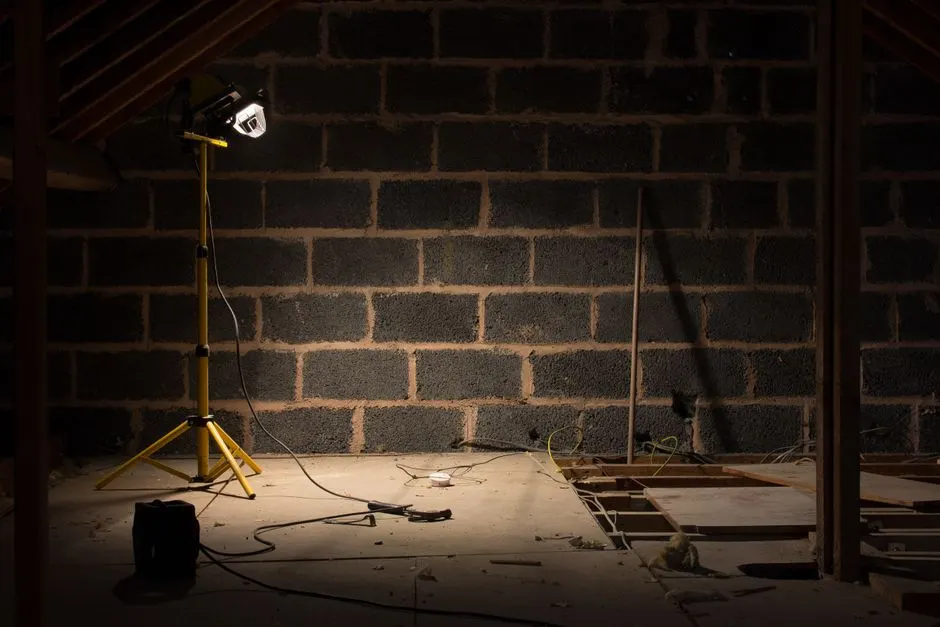
What attic mold remediation in Montrose, California involves
Attic mold remediation in Montrose, California is the process of removing fungal growth from roof sheathing, rafters, and insulation, then correcting the moisture source that fed it. We set up containment with plastic sheeting, run HEPA vacuum and negative air pressure, and treat affected wood with an antimicrobial solution before any new insulation goes back down. A moisture meter and thermal imaging camera tell us whether the deck is still wet behind the stain, which is the difference between a real fix and a callback.
Most Montrose attics grow mold for one of three reasons: a roof leak that dripped quietly for months, warm household air condensing on a cold roof deck, or crawl space moisture rising through the floor. Summer heat pushes attic temperatures past 130 degrees, and winter rain finds every failed flashing. If you have been searching for attic mold removal Montrose homeowners can actually reach, our team handles the inspection, the removal, and the drying in one visit.
Why Montrose homeowners call us for attic mold
Mold in an attic does not stay in the attic. It travels through HVAC returns, stains ceilings, and drops the air quality in every bedroom below. Here is what changes when the job is done correctly.
Air quality you can feel
Once the colony is removed and the deck is dry, that musty smell in the upstairs hallway fades within a few days. We run HEPA vacuum and air filtration during removal so spores do not migrate into living space, and we verify with a hygrometer before we pack up.
Mold stopped at the source
Removing mold without fixing the roof leak or the ventilation problem means it returns by the next rainy season. We trace the moisture with a moisture meter and bore scope camera, then correct the source so the same spot stays dry through the next winter.
Insulation and framing saved
Moldy insulation has to go, but sound rafters and sheathing usually do not. We treat and seal structural wood with antimicrobial solution rather than replacing it, which keeps an affordable attic mold remediation in Montrose within reach for most homeowners.
Documentation for your claim
We photograph affected areas, log moisture readings, and build the scope in Xactimate so your adjuster sees exactly what happened. That paperwork is the reason many attic mold claims move forward instead of stalling in review.
How our attic mold remediation process runs
Every job follows the same five stages, whether it is a single stained rafter or a full roof deck. You get a clear scope, a start time, and a walkthrough at the end.
Inspection
We spend 45 to 90 minutes mapping the attic. A moisture meter and infrared thermometer locate wet sheathing, a bore scope camera checks behind finished walls, and a hygrometer records relative humidity. You get photos of every affected area and a written scope the same day.
Containment
Plastic sheeting seals the attic from the living space, and negative air pressure keeps spores from drifting down the stairwell. Technicians suit up with respirators, and we stage a HEPA vacuum at the entry so nothing tracks into your carpet.
Removal and treatment
We HEPA vacuum loose spores, remove moldy insulation and drywall, and scrub affected framing. Every exposed rafter and deck board gets an antimicrobial solution application. A typical 1,200 square foot attic takes one to two days to clear.
Drying and verification
Air movers and a dehumidifier run until moisture content in the wood drops back under 15 percent, which usually takes 24 to 72 hours. We check readings twice a day and do not pull equipment until the numbers hold steady.
Clearance and rebuild
Final photos and moisture logs go into your file, and we replace insulation, drywall, and baseboard as needed. You walk the attic with us before we leave, and we show you the readings that confirm the space is dry.
Five years of attic mold work in Montrose
Water Damage Restoration Montrose has been in business since 2021, and in five years we have handled hundreds of attic and crawl space mold jobs across the Uncompahgre Valley. Our technicians hold IICRC WRT and IICRC ASD credentials, and several carry IICRC AMRT training specific to mold remediation. We work to California Contractors State License Board standards, follow EPA Lead-Safe practices on pre-1978 homes, and document every job in Xactimate so insurance reviews move faster. That combination of certification, equipment, and local experience is why repeat referrals come from realtors and property managers around Downtown Montrose.
- IICRC WRT and IICRC ASD certified technicians on every attic mold job
- IICRC AMRT trained crew members who specialize in fungal remediation
- EPA Lead-Safe certified for pre-1978 Montrose housing stock
- Xactimate documentation that supports insurance claims from start to finish
- Five years serving Montrose, Cimarron, and the surrounding valley since 2021
Why our attic mold remediation in Montrose stands apart
Plenty of companies will spray something on the stain and hand you a bill. We fix the water problem first, then remove the mold, then prove the attic is dry with readings you can see.
We find the water first
Mold is a symptom. We use a moisture meter, thermal imaging camera, and bore scope camera to locate the roof leak, ceiling leak, or condensation source before removal begins, so the same rafter does not grow mold again next spring.
Certified and documented
Our IICRC WRT, ASD, and AMRT credentials are not decoration. They set the containment, removal, and drying standards we follow on every job, and they are the reason our clearance documentation holds up with adjusters and home inspectors.
Fast response across Montrose
When you need attic mold removal in Montrose quickly, we schedule inspections within 24 hours in most cases. Emergency attic mold remediation Montrose CA calls get priority, especially after a storm pushes water through flashing or a ceiling leak soaks the insulation.
Straight pricing, no surprises
You get a written scope with line items before work starts. Most single-attic jobs land between $1,200 and $4,500 in 2026, and we tell you up front which costs are removal, which are drying, and which are rebuild.
What our attic mold remediation includes
Every attic mold job covers inspection, containment, removal, treatment, and drying verification. Rebuild items like new insulation, drywall, and paint are quoted separately so you can see exactly what you are paying for. Here is what comes standard.
What's Included
Full attic moisture inspection
We map the attic with a moisture meter, thermal imaging camera, and hygrometer, then photograph every affected area. You get a written scope with readings, so you know what is wet and what is not before anyone starts removing material.
Containment and HEPA vacuuming
Plastic sheeting isolates the attic from living space, and negative air pressure keeps spores from drifting downstairs. Technicians HEPA vacuum loose spores from rafters, sheathing, and insulation before any scrubbing begins.
Antimicrobial treatment
Every exposed rafter, deck board, and top plate gets an antimicrobial solution application after removal. We treat the full affected zone, not just the visible stain, because spores settle wider than the discoloration you can see.
Structural drying and verification
Air movers and a dehumidifier run until wood moisture content drops below 15 percent, usually within 24 to 72 hours. We log readings twice daily and give you the final numbers at the walkthrough.
Insurance documentation
Photos, moisture logs, and a Xactimate scope go into your file so your adjuster can review the claim without a second visit. We can send the package directly to your carrier on request.
Attic mold problems we solve in Montrose
Most attic mold calls start with a smell, a stain, or a home inspection report. Here are the situations we handle most often and what happens if they are left alone.
Dark streaks on roof sheathing after a leak
The colony spreads along the deck and into insulation, and the musty odor starts reaching bedrooms through HVAC returns within weeks.
We locate the leak with a moisture meter and bore scope camera, contain the attic, HEPA vacuum the affected sheathing, and treat the framing with antimicrobial solution. Drying brings wood moisture back under 15 percent before we close out.
Condensation mold from poor attic ventilation
Warm household air hits a cold roof deck in winter, condenses, and feeds mold every season. Ignoring it means annual regrowth and eventual sheathing replacement.
We correct the ventilation imbalance, seal air leaks from the living space, and treat existing growth. Adding proper intake and exhaust vents keeps the deck dry through the next rainy season.
Moldy insulation after a ceiling leak
Saturated insulation holds water against the framing and keeps the deck wet for months, which turns a small leak into a full attic remediation.
We remove the wet insulation, dry the framing with air movers and a dehumidifier, treat the wood, and install new insulation once readings confirm the structure is dry.
Crawl space moisture feeding attic growth
Ground moisture rises through the floor and condenses on cold roof sheathing, so treating the attic alone never solves the problem.
We address both ends of the house, drying the crawl space and the attic in the same project. Sealing the crawl space and correcting drainage stops the moisture cycle at the source.
When Montrose homeowners call us
A home inspection before sale flags mold on the attic roof deck in a Downtown Montrose bungalow.
We inspect within 24 hours, document the affected area with photos and moisture readings, and complete removal and treatment in two days. The report and clearance documentation go straight to the buyer's agent.
The sale closes on schedule, and the buyer gets a documented, dry attic instead of a negotiation point.
A roof leak during spring rain soaked insulation above a South Montrose bedroom.
We extract standing water, remove wet insulation, HEPA vacuum the sheathing, apply antimicrobial solution, and run drying equipment for 48 hours. The roof repair is coordinated with a licensed roofer.
Wood moisture returns to normal, the musty smell clears, and no mold returns the following season.
A Cobble Creek homeowner notices condensation mold along the north roof deck every winter.
We identify the ventilation imbalance, treat the existing growth, seal air leaks from the living space, and add intake vents at the soffit and exhaust at the ridge.
The deck stays dry through the next winter, and the annual regrowth cycle stops.
A burst pipe on an upper floor sends water into the ceiling and attic framing of a West Montrose home.
We handle emergency water removal first, then inspect the attic for moisture. Containment, removal, and drying follow, with Xactimate documentation for the insurance claim.
The structure dries within three days, and the attic is cleared without a separate remediation project.
Tools and methods we use on every attic job
Tools & Equipment
Moisture meter and hygrometer
Measure wood moisture content and relative humidity in the attic. Readings tell us whether the deck is still wet behind a stain and when drying is actually complete.
Thermal imaging camera
Reveals temperature differences that point to hidden moisture behind sheathing and insulation, including leaks that have not yet stained the ceiling below.
Bore scope camera
Lets us look behind finished walls and into tight framing cavities without cutting large openings, which keeps removal targeted and rebuild costs down.
HEPA vacuum
Captures loose spores and fine debris from rafters, sheathing, and insulation surfaces before treatment, so removal does not spread contamination through the house.
Dri-Eaz and Phoenix air movers
High-velocity air movement evaporates moisture from framing and sheathing. We position them to dry the full affected zone, not just the visible mold area.
Dri-Eaz dehumidifier
Pulls moisture out of the air so evaporated water does not re-condense on the roof deck. Runs continuously until readings confirm the structure is dry.
Ozone generator
Neutralizes lingering musty odors after removal and treatment. Used only in unoccupied spaces with proper clearance times before anyone re-enters.
Methods
IICRC S520 mold remediation standard
The industry standard we follow for containment, removal, and clearance. It sets the conditions for when materials can be cleaned versus removed, and it guides how we verify the job is complete.
Negative air pressure containment
We seal the attic with plastic sheeting and maintain negative pressure so air flows in, not out. Spores and dust stay inside the work zone instead of drifting into bedrooms and hallways.
Antimicrobial surface treatment
After removal, we apply antimicrobial solution to every exposed rafter, deck board, and top plate in the affected zone. Treatment covers a wider area than the visible stain because spores settle beyond the discoloration.
Moisture verification protocol
We log wood moisture content and relative humidity twice daily during drying, and we do not remove equipment until readings hold steady below 15 percent. Final numbers go into your documentation package.
How attic mold remediation runs in Montrose
Montrose sits at the edge of the Uncompahgre Valley, and that geography shapes how attic mold happens here. Summer attic temperatures climb past 130 degrees, then winter brings rain and snowmelt that finds every failed flashing and vent boot. Homes built before 1980 around Downtown Montrose and South Montrose often have minimal attic ventilation, so warm household air condenses on cold roof sheathing all winter. Newer builds in Cobble Creek and Sunrise Mesa are tighter, which traps moisture instead of letting it escape. We see the most growth after spring runoff, when a small roof leak has been feeding a colony since the previous fall. If you need attic mold removal 24/7 Montrose CA, we schedule inspections within 24 hours and prioritize active leaks. Every job is documented to California Contractors State License Board standards, and pre-1978 homes get EPA Lead-Safe handling during removal.
Service Areas
Older bungalows with limited attic ventilation and original roof decks. Condensation mold along the north sheathing is the most common call we get here.
Tighter modern construction traps moisture, so we often find condensation growth rather than leak-driven mold. Ventilation corrections matter more than removal alone.
Mature trees drop debris that clogs roof valleys and slows drainage. After heavy rain, we see leak-driven attic mold in these homes more than anywhere else in the city.
Higher ground moisture near the river raises crawl space humidity, which rises into attic framing. We usually treat the crawl space and attic in the same project.
Local Considerations
Summer attic temperatures above 130 degrees
Heat bakes moisture out of framing during the day and it re-condenses at night, which keeps the deck damp and extends drying times by a day or more.
Winter condensation on cold roof sheathing
Warm interior air hits a cold deck and condenses, feeding mold through the wet months. Ventilation and air sealing are the long-term fix, not just removal.
Spring runoff and roof leak activity
Snowmelt and rain find failed flashing and vent boots, soaking insulation and sheathing. This is when we see the largest volume of attic mold calls.
Pre-1978 housing stock near Downtown
Older homes require EPA Lead-Safe practices during removal, which adds a step to containment and material handling but protects your family and our crew.
Roof deck cleared after flashing leak
A South Montrose home had dark mold streaks across 180 square feet of roof sheathing after a flashing leak dripped for months. Insulation in two bays was saturated, and the upstairs hallway smelled musty year-round.
We contained the attic, HEPA vacuumed the sheathing, removed the wet insulation, and treated every affected rafter. Wood moisture dropped from 24 percent to 11 percent over three days, and new insulation went in after clearance.
Maintenance & Follow-up
Check flashing and vent boots each fall before the rainy season, and keep a moisture meter reading on the deck every couple of years to catch small leaks early.
A Cobble Creek homeowner found mold along the north roof deck every winter for three years. The attic had no intake ventilation, so warm air condensed on the cold sheathing and fed a new colony each season.
We treated 120 square feet of affected sheathing, sealed air leaks from the living space, and added soffit intake and ridge exhaust vents. The following winter, moisture readings stayed under 13 percent with no new growth.
Maintenance & Follow-up
Keep soffit vents clear of insulation and debris, and have the attic inspected every two years to confirm airflow is still working as designed.
A burst pipe above a West Montrose bedroom soaked ceiling drywall and dripped into attic insulation. Within a week, mold had started on two rafters and the top plate, and the ceiling stain had grown to three feet across.
We extracted standing water, removed wet insulation and drywall, treated the framing, and dried the assembly in 48 hours. Moisture readings returned to normal, and the rebuild was completed with new drywall and paint.
Maintenance & Follow-up
Watch for new ceiling stains after any plumbing work, and check the attic above the repair within 30 days to confirm everything stayed dry.
How much does attic mold remediation cost in Montrose California?
Most attic mold remediation in Montrose, California runs $1,200 to $4,500 in 2026, with small single-rafter jobs near $850 and full roof decks with insulation replacement above $6,000. Square footage, how much insulation has to be discarded, and whether the roof leak needs repair all move the number. We give you a written scope before work starts so there is no guessing.
How long does attic mold removal take in Montrose CA?
Removal itself usually takes one to two days for a typical Montrose attic, and drying adds another 24 to 72 hours. Total project time from inspection to final walkthrough is commonly three to five days. Larger attics with heavy growth or rebuilt insulation can stretch to a week, and we tell you the expected timeline before we begin.
What causes attic mold in Montrose?
The three most common causes we see are roof leaks at flashing and vents, warm interior air condensing on a cold roof deck, and crawl space moisture rising into the framing. Montrose summers push attic temperatures past 130 degrees and winter rain tests every seal, so a small leak can feed a colony for months before you notice a stain.
Does insurance cover attic mold remediation in Montrose?
Insurance often covers attic mold remediation in Montrose when the mold traces back to a covered event like a burst pipe, roof leak, or ice dam, but it usually excludes mold from long-term neglect or poor ventilation. We photograph the source, log moisture readings, and build the scope in Xactimate so your adjuster has what they need to review the claim.
Certifications and reviews
Certifications
Reviews
They found the roof leak our roofer missed and handled the attic mold in the same visit. Containment was clean, the smell was gone in two days, and the moisture readings at the end convinced me the job was actually done.
Called about attic mold removal in Montrose after a home inspection flagged it. They inspected within 24 hours, gave a written scope, and finished removal and treatment in two days. The documentation went straight to our agent.
Our Cobble Creek attic had condensation mold every winter. They treated the growth, fixed the ventilation, and sealed the air leaks. Two winters later, no new mold and the deck reads dry on my own moisture meter.
Burst pipe upstairs sent water into the attic framing. They extracted, dried, and cleared the mold in under a week, and the Xactimate paperwork made the insurance claim painless. Straight answers on pricing from the first call.
Related Services
flood restoration services
When storm water or a burst pipe floods the upper floor, water wicks into the ceiling and attic insulation. Our flood restoration services dry the structure fast, which is the single best way to prevent attic mold from taking hold in the first place.
flood restoration servicesemergency water removal
Standing water above a ceiling reaches the attic within hours. Emergency water removal pulls that water out with extraction units and air movers before it soaks the roof deck, cutting the odds you will need attic mold removal Montrose later.
emergency water removalmold remediation after water damage
Mold remediation after water damage handles the full chain: dry the structure, remove affected materials, treat the framing, and verify with moisture readings. It is the natural next step when an attic inspection finds growth tied to a past leak.
mold remediation after water damagewater leak restoration
A slow roof leak or ceiling leak can feed attic mold for months without dripping into a room. Water leak restoration finds and repairs the source, then dries the surrounding framing so the mold colony loses its water supply.
water leak restorationemergency water cleanup
Emergency water cleanup removes water and moisture from ceilings, walls, and attic framing after a sudden leak. Fast cleanup keeps relative humidity down, which is what stops spores from settling on roof sheathing.
emergency water cleanupwater extraction
Water extraction with truck-mounted and portable units removes the bulk of standing water after a pipe failure or appliance leak. Getting water out quickly protects the ceiling assembly and the attic above it from saturation.
water extractionwater damage mitigation
Water damage mitigation stops a leak from spreading and stabilizes the structure. We contain the affected area, dry it with dehumidifiers and air movers, and document conditions so any attic mold issue is caught early.
water damage mitigationtoilet overflow cleanup
A toilet overflow on an upper floor sends water through the ceiling and into the attic framing above. We extract, dry, and disinfect, then check the attic for moisture before mold has a chance to colonize.
toilet overflow cleanupbasement flood cleanup
Basement flooding raises humidity through the whole house, and that moisture migrates upward into attic framing. Basement flood cleanup lowers indoor humidity and helps break the cycle that feeds attic mold.
basement flood cleanupwater damage restoration near me
When you search for water damage restoration near me in Montrose, you want a crew that arrives with extraction and drying equipment. We handle the water, then inspect the attic so mold does not become the second problem.
water damage restoration near mewater cleanup services
Our water cleanup services cover extraction, drying, and disinfection after any household leak. Each job ends with moisture readings, which tell us whether attic framing needs a closer look.
water cleanup services24-hour water restoration near me
Water does not wait for business hours, and neither do we. Our 24-hour water restoration near me response stops active leaks fast, which limits how much moisture reaches the attic and roof deck.
24-hour water restoration near mewater extraction company
As a water extraction company, we remove hundreds of gallons from Montrose homes each year. That speed matters upstairs, where saturated ceiling drywall can drip into attic insulation and start mold growth.
water extraction companyrapid water extraction
Rapid water extraction shortens the window when materials stay wet. The faster the structure dries, the less likely you are to need attic mold remediation Montrose California homeowners can schedule without a rush.
rapid water extractionkitchen water damage repair
Kitchen water damage repair handles supply line failures and dishwasher leaks that soak walls and floors. We dry the assembly and check the attic above, since water travels along framing before it shows on a ceiling.
kitchen water damage repairceiling water damage repair
Ceiling water damage repair fixes the stain, the drywall, and the source above it. That source is often a roof leak or an attic plumbing line, which is exactly where mold likes to start.
ceiling water damage repairsewage cleanup
Sewage cleanup requires containment, removal of contaminated materials, and disinfection. When a sewage backup reaches upper floors, we also inspect the attic for moisture and microbial growth.
sewage cleanupcrawl space mold removal
Crawl space mold removal and attic mold work often go together. Moisture rising from a damp crawl space condenses on cold roof sheathing, so treating both ends of the house solves the problem properly.
crawl space mold removalwater damage remediation after fire
Water damage remediation after fire deals with the moisture left behind by suppression. Firefighting water soaks insulation and framing, and if it reaches the attic, mold can follow within days.
water damage remediation after fireSchedule attic mold remediation in Montrose, California
Mold spreads while you wait, and every week it sits, the removal scope grows. Call (833) 321-7153 and we will inspect your attic, find the water source, and give you a written scope the same day. Our team is licensed, IICRC certified, and ready across Montrose.