Ceiling water damage repair in Montrose, California done right the first time
Fast leak detection, drywall repair and mold prevention across Montrose
When a ceiling leak soaks your drywall, ceiling water damage repair in Montrose, California has to start within hours, not days. Our IICRC-trained technicians find the source, extract standing water, dry the structure and rebuild the ceiling so stains, sagging and mold never get a foothold. We have served Montrose homeowners and property managers since 2021, and we handle everything from a single stained panel to a collapsed ceiling after a burst pipe.
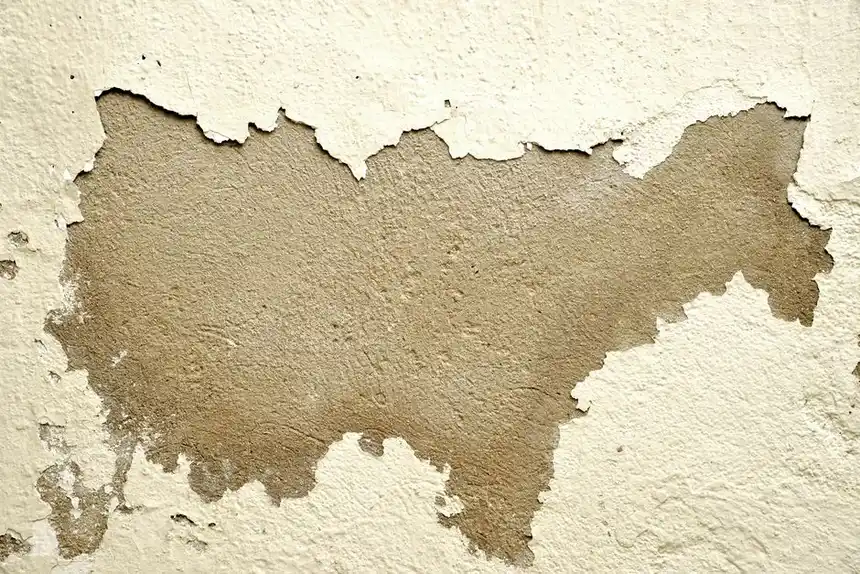
What ceiling water damage repair in Montrose, California involves
Ceiling water damage repair is the process of stopping the water source, removing wet drywall and insulation, drying the framing and then rebuilding the ceiling surface. Water travels along joists and pools above the drywall, so the visible stain is usually the smallest part of the problem. We use a moisture meter and thermal imaging camera to map exactly how far the moisture has spread before we cut anything. If the drywall has sagged or crumbled, we remove it, treat the framing with antimicrobial solution, and rebuild with new drywall, tape, texture and paint that matches the rest of the room.
Montrose sits in the Uncompahgre Valley, where cold winters freeze pipes in attics and crawl spaces, and summer monsoon storms drive rain under roof flashing. Both end up as a ceiling leak. Homeowners in Cobble Creek and Sunrise Mesa call us most often after a burst pipe or a roof leak they did not notice until a brown ring appeared. If you search for ceiling water damage repair near me Montrose, you want a crew that arrives with extraction and drying equipment, not just a patch and paint quote.
Why Montrose homeowners call us first
A wet ceiling gets worse every hour. Here is what you get when you call our Montrose ceiling water damage restoration crew instead of waiting to see if it dries on its own.
Stop mold before day three
Mold growth can begin on wet drywall within 24 to 48 hours. We apply antimicrobial solution to the framing and run HEPA air scrubbers during the dry-down, which keeps your indoor air clean and stops a small ceiling leak from turning into a full attic mold remediation job.
Dry-down verified with meters
We do not guess when the ceiling is dry. A hygrometer and moisture meter reading is logged at every visit, and we keep air movers and a dehumidifier running until the framing reads within 2 percentage points of a dry reference sample. That is how we protect your paint warranty.
Emergency response, day or night
Burst pipes do not wait for business hours. Our emergency ceiling water damage repair Montrose CA line is answered 24/7, and we treat an active leak as a priority call. Getting extraction started the same day is the single biggest factor in keeping repair costs down.
Repairs that match your ceiling
A patch that flashes under light is not a repair. We float, texture and paint the new drywall to blend with the existing ceiling, and we replace any insulation that was compressed or soaked. Most single-room ceilings are back to normal in three to five days.
Our ceiling water damage repair process
Every job follows the same sequence, whether it is a slow ceiling leak or a ceiling that came down after a toilet overflow upstairs. Here is exactly what happens from the first phone call to the final walkthrough.
Emergency call and arrival
You call, we ask three questions: is water still running, is the ceiling bulging, and is the power to that room off. We dispatch a crew and arrive with a water extraction unit and drying equipment. If the ceiling is holding water, we puncture a small weep hole into a bucket to relieve the pressure before it collapses on its own.
Leak detection and moisture mapping
A technician traces the source with a moisture meter, infrared thermometer and bore scope camera. Ceiling leaks rarely start above the stain, so we check the attic, the floor above and the roof flashing. You get a written scope with photos before any demolition starts, usually within 90 minutes of arrival.
Water extraction and controlled demolition
Standing water comes out first with a water extraction unit. Then we remove only the drywall that is wet or sagging, typically a 2-by-4 foot section around the leak, and bag the debris. Plastic sheeting isolates the work area so dust and spores do not spread into the rest of your home.
Structural drying
Air movers and a desiccant or refrigerant dehumidifier run continuously, usually for two to four days. We check readings daily with a hygrometer and adjust equipment placement. Insulation and wood subfloor are dried in place when possible; soaked batts get replaced rather than dried.
Repair, texture and final walkthrough
Once the framing is dry, we hang new drywall, tape, texture and paint. We test the repaired area with a moisture meter one last time and walk the room with you. If the leak came from a plumbing line, we confirm the repair holds before the ceiling is closed up.
Ceiling water damage expertise you can verify
Our technicians hold IICRC WRT (Water Restoration Technician) and IICRC ASD (Applied Structural Drying) certifications, and we work to the IICRC S500 standard on every ceiling job. We have been repairing ceilings in Montrose since 2021, from 1920s bungalows near Downtown Montrose to newer builds in Fox Hollow. That range matters: older homes hide knob-and-tube wiring and plaster ceilings, while newer homes use engineered trusses that dry differently. We carry ACAC and RIA credentials and document every job in Xactimate so your insurance claim moves without back-and-forth.
- IICRC WRT and ASD certified technicians on every ceiling water damage job.
- IICRC AMRT trained for jobs where mold growth is already visible above the ceiling.
- EPA Lead-Safe certified for pre-1978 Montrose homes with painted ceilings.
- OSHA 10 trained crews, and licensed under the California Contractors State License Board.
- Every drying log and photo set built in Xactimate for clean insurance documentation.
Why our ceiling water damage repair in Montrose stands out
Plenty of companies will patch a ceiling. Fewer will find the leak, dry the framing to a verified standard and hand you documentation your insurer accepts. That difference is the whole job.
We find the actual source
A ceiling stain is a symptom. We use a thermal imaging camera and bore scope camera to trace water back to the burst pipe, slab leak, roof leak or toilet overflow that caused it. Repairing the ceiling without fixing the source means you will be calling someone again next winter.
Drying documented to IICRC S500
We log moisture content daily and dry to the S500 standard rather than to a calendar. Most ceilings are dry in two to four days. If a reading is not where it should be, the equipment stays and we tell you why.
Insurance paperwork handled
We photograph affected materials, measure the loss and build the estimate in Xactimate, the same platform most carriers use. That keeps your ceiling water damage restoration Montrose claim moving and reduces the chance of a disputed line item.
Local crews, local response
We work out of Montrose, not Grand Junction, so we are not guessing at local building stock or driving an hour to reach you. Whether you are in Riverbottom or up near Black Canyon, you get a crew that knows how these homes are built and how they fail.
What our ceiling water damage repair includes
Every ceiling job we run includes source detection, extraction, structural drying, documentation and the finished ceiling repair. If the leak came from a plumbing line or the roof, we coordinate that fix so the ceiling is not closed up over a live problem.
What's Included
Leak detection and moisture mapping
We trace the source with a moisture meter, infrared thermometer and bore scope camera, then map how far moisture has traveled through the ceiling cavity. You get photos and a written scope before any material comes down.
Water extraction and demolition
Trapped water is extracted with a water extraction unit, then wet or sagging drywall is removed in controlled sections. We use plastic sheeting to contain dust and debris and haul everything away the same day.
Antimicrobial treatment and drying
Exposed framing gets treated with antimicrobial solution, then air movers and a dehumidifier run until moisture readings return to normal, usually two to four days. We log readings daily and share them with you.
Insulation and drywall replacement
Soaked insulation is replaced rather than dried. New drywall is hung, taped and floated to match the surrounding ceiling plane, with the correct thickness for your existing assembly.
Texture, paint and final verification
We match your ceiling texture and paint so the repair disappears under normal light. Before we pack up, we verify the repaired area with a moisture meter and walk the room with you.
Ceiling water damage problems we solve in Montrose
Most ceiling calls come down to five problems. Each one gets worse the longer it sits, and each one has a different fix. Here is what we see most often and what it takes to correct it.
Brown water stains spreading across the ceiling
A stain means water is still moving through the drywall. Left alone, it discolors paint, weakens the paper facing and usually signals a leak that has been running for weeks.
We find the source, dry the cavity and seal the affected area with a stain-blocking primer before repainting. If the drywall has lost structural strength, we cut out the damaged section and replace it so the stain does not bleed back through.
Ceiling sagging or bulging from trapped water
A sagging ceiling is holding several gallons of water and can collapse without warning, dropping drywall, insulation and standing water onto whatever is below.
We relieve the pressure with a controlled weep hole into a bucket, extract the remaining water and remove the failed drywall. The framing is then dried and the ceiling rebuilt, usually within three to five days.
Mold growth appearing above the ceiling
Mold can colonize wet drywall in 24 to 48 hours. Once it is in the ceiling cavity, it spreads through insulation and releases spores into the rooms below.
Our IICRC AMRT trained technicians remove contaminated materials, treat the framing with antimicrobial solution and run HEPA filtration to capture airborne spores. We verify the cavity is dry before closing it up.
Recurring ceiling leaks that keep coming back
A ceiling that leaks every spring or after every hard rain is not a ceiling problem. It is an unresolved roof leak, flashing failure or plumbing issue that keeps feeding the same spot.
We trace the leak to its actual origin, which is often several feet from the stain, and document it with photos. Once the source is repaired, we restore the ceiling so the repair is not covering a live defect.
When Montrose homeowners call for ceiling repair
A pipe freezes and bursts in the attic during a January cold snap in North Montrose.
We extract the water, remove the soaked ceiling drywall, dry the joists and insulation cavity, and rebuild the ceiling. We also flag the pipe run so it can be insulated before the next freeze.
The ceiling is dry in three days and fully repaired in five, with no mold and no repeat leak the following winter.
An upstairs toilet overflows overnight and soaks the kitchen ceiling below.
Because the water is contaminated, we remove affected drywall, disinfect the framing, run air movers and a dehumidifier, then replace insulation and rebuild the ceiling with matching texture.
The kitchen ceiling is restored in four to six days, and the contaminated materials are disposed of properly rather than dried in place.
Monsoon rain drives under roof flashing and a slow ceiling leak goes unnoticed for weeks in Riverbottom.
We map the moisture with a thermal imaging camera, cut out the saturated section, treat early mold on the framing and dry the cavity before rebuilding.
The leak path is documented for the roofer, and the ceiling is restored without the stain returning after the next storm.
A slab leak migrates upward and shows up as a warm, damp patch on a first-floor ceiling in Fox Hollow.
We confirm the source with moisture readings and coordinate the plumbing repair, then dry the ceiling assembly and replace the damaged drywall and insulation.
The ceiling is repaired once, after the slab leak is fixed, instead of being patched and re-damaged.
Tools and methods we use on ceiling jobs
Tools & Equipment
Moisture meter and hygrometer
Used to measure moisture content in drywall, framing and the surrounding air so we know exactly when the ceiling is dry rather than guessing.
Thermal imaging camera and infrared thermometer
Reveals temperature differences behind the ceiling surface, which shows where water has traveled without opening up the whole ceiling.
Bore scope camera
Lets us look inside the ceiling cavity through a small hole to check for mold growth, wet insulation and the condition of the framing.
Dri-Eaz and Phoenix Restoration Equipment air movers
High-velocity air movement evaporates moisture from the ceiling cavity so the dehumidifier can remove it from the air.
Desiccant and refrigerant dehumidifiers
Pull moisture out of the air inside the contained work area. Desiccant units perform better in the cold attic conditions common in Montrose winters.
HEPA vacuum and air scrubbers
Capture dust, drywall particles and mold spores during demolition and drying so they do not spread into the rest of your home.
Water extraction unit
Removes standing and trapped water from the ceiling cavity and the floor below before drying equipment is placed.
Methods
IICRC S500 drying standard
We dry to the S500 standard, which means moisture readings are taken daily and compared against a dry reference sample. Equipment stays until the readings are within tolerance, not until a set number of days has passed.
Controlled weep hole and containment
When a ceiling is bulging, we relieve the trapped water through a small hole into a bucket and isolate the work area with plastic sheeting. This prevents a sudden collapse and keeps dust and spores out of the rest of the house.
Antimicrobial treatment of framing
After demolition, exposed joists and blocking are treated with antimicrobial solution. This is the step that stops a wet ceiling from becoming an attic mold remediation project.
Xactimate documentation
We photograph affected materials, measure the loss and build the estimate in Xactimate, the platform most carriers use. That keeps your claim moving and reduces disputed line items.
How ceiling water damage repair runs in Montrose
Montrose gives ceilings two very different ways to fail. From November through March, overnight temperatures drop well below freezing, and pipes running through attics and exterior walls in older homes near Downtown Montrose freeze and split. From July through September, monsoon storms push rain sideways under roof flashing, and the leak shows up weeks later as a ceiling stain. The building stock matters too. Pre-1978 homes often have plaster ceilings and painted surfaces, which means EPA Lead-Safe practices apply before demolition. Newer builds in Fox Hollow and Cobble Creek use engineered trusses and blown-in insulation, which dry differently and need the insulation replaced rather than dried in place. We work to IICRC S500 and California building code on every job, and we document moisture readings daily so you can see the ceiling drying in real time.
Service Areas
Older homes with plaster ceilings and original plumbing. Freeze-related burst pipes are the most common ceiling call here between December and February.
Newer construction with engineered trusses and blown-in attic insulation. Soaked insulation here gets replaced, not dried, because it loses R-value once compressed.
Sits close to the river with higher ambient humidity. Ceiling cavities here take longer to dry, so we usually add a day of dehumidifier runtime.
Exposed roof planes and flashing take the brunt of monsoon wind-driven rain, which shows up as ceiling leaks weeks after the storm.
Rural properties on well systems and older roof assemblies. We see more slow, long-running ceiling leaks that have already started mold by the time we arrive.
Local Considerations
Hard freezes in attic and exterior wall pipe runs
Burst pipes between December and February are our busiest ceiling calls. We prioritize source shutoff and extraction because a running burst pipe can soak an entire ceiling assembly in under an hour.
Summer monsoon wind-driven rain under roof flashing
Leaks often start in July and are not noticed until a stain appears in September. By then the cavity has been wet for weeks, so we check for mold on the framing as a standard step.
Low winter humidity and fast indoor heating
Dry indoor air pulls moisture out of wet drywall quickly at the surface while the framing stays wet. That is why we rely on moisture meter readings rather than how the ceiling looks or feels.
Pre-1978 housing stock with painted ceilings
Demolition on these homes follows EPA Lead-Safe practices, which adds containment and disposal steps. We plan for that in the scope so the schedule does not slip.
Frozen pipe in a North Montrose attic
A supply line split during a January freeze and ran for roughly six hours before the homeowner shut it off. The living room ceiling was sagging across a 4-by-6 foot section, with water pooling above the drywall and soaked insulation in the cavity.
We relieved the trapped water, removed 24 square feet of drywall and insulation, dried the framing to normal readings in three days, and rebuilt the ceiling with matching texture and paint. Total job time was five days.
Maintenance & Follow-up
We flagged the pipe run and recommended insulating it before the next freeze. The homeowner also added a smart water shutoff, which stops the supply within minutes of detecting a burst.
An upstairs toilet supply failed overnight in a 1940s rental. Contaminated water ran through the floor and stained the tenant's kitchen ceiling across roughly 30 square feet, with early mold visible on two joists.
We removed the affected drywall, treated the framing with antimicrobial solution, ran HEPA filtration and dried the cavity in four days. New drywall, insulation, texture and paint were completed by day six.
Maintenance & Follow-up
The property manager now has the supply lines in both upstairs bathrooms inspected annually, which is the cheapest way to prevent a repeat ceiling loss.
Wind-driven rain pushed under roof flashing in August. The leak was not noticed until a brown ring appeared on a bedroom ceiling in October, by which point the drywall paper had failed and mold was growing on the sheathing above.
We traced the leak path with a thermal imaging camera, removed the failed drywall, treated the mold with antimicrobial solution and dried the assembly in four days. The ceiling was rebuilt and repainted by day seven.
Maintenance & Follow-up
We documented the flashing location for the roofer. Once the roof detail is corrected, the ceiling repair holds and the stain does not return after the next storm.
How much does ceiling water damage repair cost in Montrose California?
Most ceiling repairs in Montrose run $450 to $2,800 in 2026, with the average single-room job landing near $1,200. Minor staining with a small drywall patch sits at the low end. A sagging ceiling that needs full removal, structural drying and new insulation pushes higher. Emergency call-outs, attic access and mold treatment add cost. We give you a written scope with photos before demolition starts.
How long does ceiling water damage restoration take in Montrose CA?
Plan on three to five days for a typical ceiling: one day for extraction and demolition, two to four days of drying, then one to two days for drywall, texture and paint. Large losses with a collapsed ceiling or widespread attic mold can run seven to ten days. We check moisture readings daily and tell you each morning whether the equipment stays or comes out.
Does insurance cover ceiling water damage repair in Montrose?
Yes, in most cases. Sudden and accidental damage, like a burst pipe or a toilet overflow, is usually covered, while long-term seepage and neglected roof leaks often are not. We document the loss in Xactimate, photograph affected materials and provide drying logs so your adjuster can process the claim. We bill the carrier directly on approved claims.
Can you repair a sagging ceiling from water damage in Montrose?
Yes, and it should be treated as urgent. A sagging ceiling is holding trapped water and can collapse without warning. We relieve the pressure with a controlled weep hole, extract the water, remove the failed drywall and dry the framing. Once moisture readings are back to normal, usually in two to four days, we rebuild the ceiling with new drywall, texture and paint.
Licensed, certified and documented
Certifications
Reviews
Called about a ceiling stain that turned out to be a slow roof leak. They found it with a thermal camera in about 20 minutes, showed me the photos, and had drying equipment running the same afternoon. Ceiling was repaired and painted by the end of the week.
Our ceiling was sagging over the stairs after a toilet overflow. They relieved the water carefully, contained the area with plastic, and handled the whole insurance estimate in Xactimate. No mold, no mess left behind, and the texture match is perfect.
Frozen pipe in the attic in January. They arrived within the hour, extracted the water, and texted me moisture readings every day until the ceiling was dry. Honest about what needed replacing and what did not. Would call them again without hesitation.
Related Services
flood restoration services
When a flood soaks an upstairs floor, the water lands in your ceiling. Our flood restoration services handle the whole path of damage, from the flooded room down to the ceiling drywall and framing below it.
flood restoration servicesemergency water removal
Standing water above a ceiling adds weight fast. Emergency water removal pulls that water out with extraction units before the drywall fails, which is often the difference between a patch and a full ceiling replacement.
emergency water removalmold remediation after water damage
Ceiling cavities are dark, warm and wet, which is ideal for mold. If growth is already visible, our mold remediation after water damage service removes contaminated drywall and insulation and treats the framing with antimicrobial solution.
mold remediation after water damagewater leak restoration
A slow ceiling leak can run for weeks before it stains. Water leak restoration traces the source, repairs the failed line or flashing and restores the ceiling surface so the same leak does not return next season.
water leak restorationemergency water cleanup
Ceiling leaks drip onto floors, furniture and insulation. Emergency water cleanup handles the secondary damage below the ceiling so a single upstairs leak does not turn into two rooms of restoration work.
emergency water cleanupwater extraction
Trapped water above a ceiling needs to come out before anything can dry. Our water extraction service uses truck-mounted and portable units to remove standing water from ceiling cavities and the rooms beneath them.
water extractionwater damage mitigation
Mitigation is everything we do to stop damage from spreading. On a ceiling job that means source control, containment with plastic sheeting and equipment placement that keeps moisture out of adjacent rooms and closets.
water damage mitigationtoilet overflow cleanup
An upstairs toilet overflow is one of the most common causes of ceiling damage in Montrose. We clean and disinfect the contaminated water, then repair the ceiling below once the framing is dry.
toilet overflow cleanupbasement flood cleanup
Basement flooding and ceiling damage often happen on the same call, especially after a slab leak or sump failure. We handle both levels of the home in one scope so drying equipment is placed where it actually matters.
basement flood cleanupwater damage restoration near me
If you are searching for water damage restoration near me, we are the local Montrose crew that answers 24/7. Ceiling calls get priority because the damage window is measured in hours, not days.
water damage restoration near mewater cleanup services
Our water cleanup services cover extraction, drying, sanitizing and deodorizing. On ceiling jobs we also treat the framing with antimicrobial solution and run HEPA filtration to keep dust and spores out of your living space.
water cleanup services24-hour water restoration near me
Ceiling leaks do not schedule themselves. Our 24-hour water restoration near me line is staffed around the clock, and an active ceiling leak is treated as an emergency dispatch, not a next-morning appointment.
24-hour water restoration near mewater extraction company
As a water extraction company, we carry the pumps, air movers and dehumidifiers a ceiling job needs on the first visit. No waiting on a rental truck while your ceiling sags.
water extraction companyrapid water extraction
Rapid water extraction matters most on ceilings, where a few gallons can bring down a whole panel. We relieve trapped water, extract what remains and start drying the same day you call.
rapid water extractionkitchen water damage repair
Kitchen leaks from supply lines and dishwashers often travel into the ceiling of the room below. We repair both the kitchen damage and the ceiling it caused in a single coordinated scope.
kitchen water damage repairsewage cleanup
A sewage backup from an upstairs bathroom is a contaminated ceiling loss, not a simple water stain. Our sewage cleanup crews remove affected drywall, disinfect the framing and dispose of materials to California requirements.
sewage cleanupcrawl space mold removal
Ceiling moisture and crawl space moisture often share a cause: poor ventilation and trapped humidity. Crawl space mold removal addresses the lower half of the problem so ceiling repairs actually hold.
crawl space mold removalattic mold remediation
Most ceiling leaks start in the attic. Attic mold remediation removes contaminated insulation and sheathing and treats the framing, which is what keeps mold from reappearing above your new ceiling.
attic mold remediationwater damage remediation after fire
Firefighting water lands in ceilings and walls. Water damage remediation after fire removes soaked materials and dries the structure so the rebuild is not delayed by hidden moisture.
water damage remediation after fireGet ceiling water damage repair in Montrose, California started now
Every hour a wet ceiling stays wet, the repair gets bigger. Call (833) 321-7153 and we will dispatch a certified crew with extraction and drying equipment. We are licensed, insured and have served Montrose since 2021.